The Dr. Harold Hopfenberg Scholarship Endowment in Chemical and Biomolecular Engineering

One of the most important parts of Jim Bray’s time at NC State University was spending his free time in the chemical engineering lab of Professor Harold Hopfenberg.
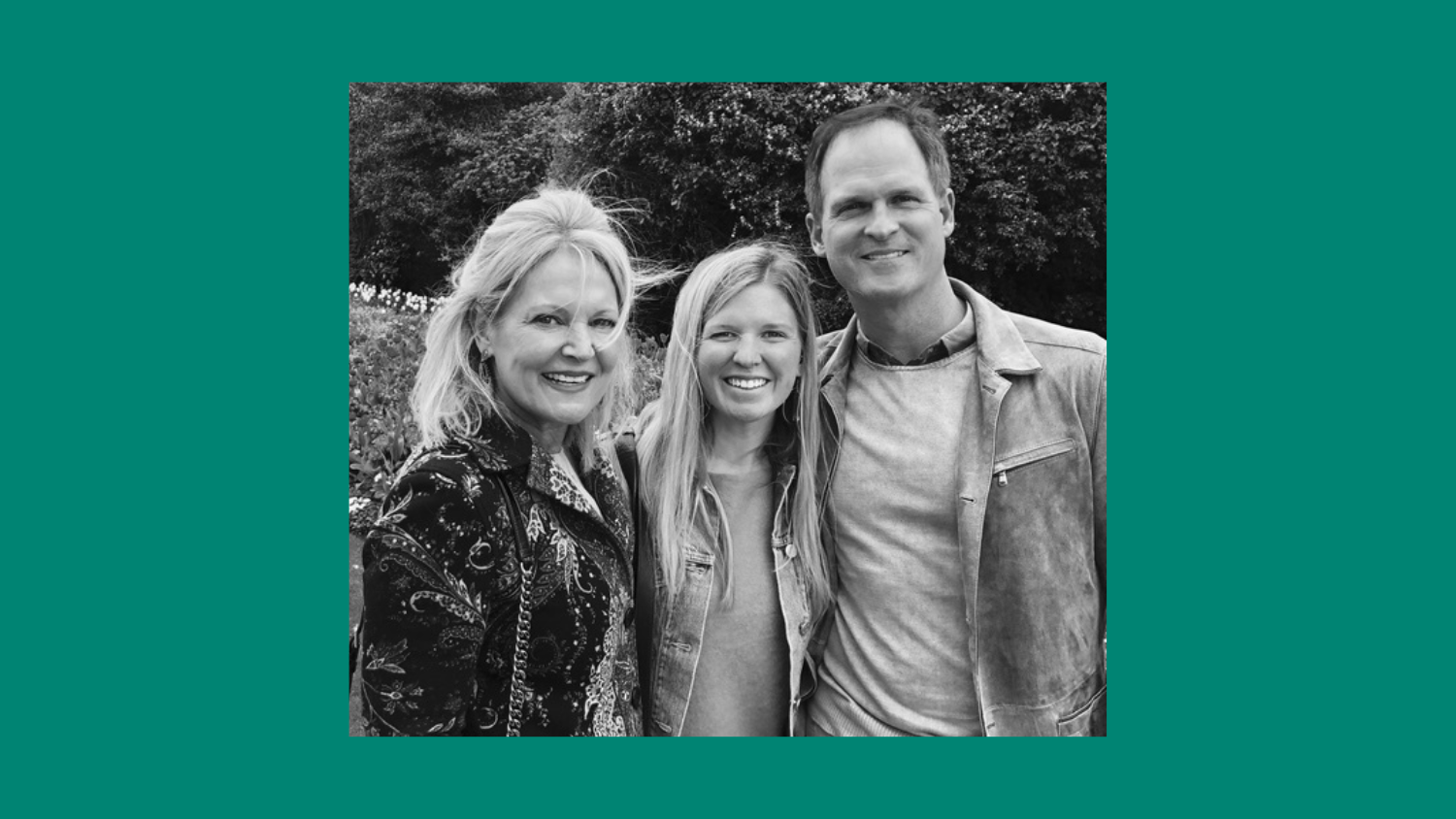
A scholarship student, Bray (B.S. ‘69) remembers the support allowed him to focus on his studies and on research–and he sees how that has a direct through line to his career success. Now, he and his wife, Susan, are hoping their newly established scholarship can help students map their own careers earlier on, and maybe even find their own Hal Hopfenberg.
“He was the most significant mentor and stimulus in the early part of my technical career,” Bray said. “My career arc would not have gone in the direction it did without Hal Hopfenberg being there.”
The Dr. Harold Hopfenberg Scholarship Endowment in Chemical and Biomolecular Engineering honors the impact of a great mentor and advisor while also creating the opportunity for students to focus on their studies.
Bray comes from a military family and moved around a lot growing up–including living in Europe for nine years. In high school, he excelled in chemistry and mathematics but had no engineering role models. It was through his own research that he found chemical engineering. Since his father was stationed at Fort Bragg in Fayetteville, North Carolina, at the time, attending NC State University to pursue a degree in chemical engineering was the right decision. It was not until his sophomore year CHE 205 class that he met Professor Hal Hopfenberg.
Upon learning that the scholarship was in his name, Hopfenberg remarked that it was the greatest honor he had ever received. “That is why we do what we do as teachers: to make an impact and mentor students.”

Prof. Hopfenberg joined the department in 1967 after serving as a U.S. Army Captain in the Vietnam War, and retired in 1997. He advised 38 graduate students in his 30 years and led as the department head from 1980-87. Outside of the department, Hopfenberg served as the interim NC State Athletics Director (1989), held several positions in the Chancellor’s Office, and was the director of the William R. Kenan Jr. Institute for Engineering, Technology & Science (1992). He won numerous awards including the Alexander Quarles Holladay Medal in 1996–the highest faculty award at NC State–before retiring as the Camille Dreyfus Professor Emeritus of Chemical and Biomolecular Engineering.
“Our paths were moving in parallel. I took several polymer courses with him and used him very much as an advisor. He became my mentor,” Bray explains. Beyond the classroom, Hopfenberg also advised him in the lab where he worked as an undergraduate researcher. Hopfenberg always tried to push Bray outside of his comfort zone. According to Bray, he “questioned and taught you to find the answer, instead of just giving it.”
“I would go in and ask him a question, and I would get the Yoda response of a question back. He would sort of say, ‘well, James?’ and anytime I get called James it’s ‘oh, God, he wants me to think!'”
On the recommendation of his mentor, Bray went to the Massachusetts Institute of Technology to complete his Sc.D. His thesis work was in polymer materials with a biomedical focus, opening up a number of opportunities at leading global chemical companies and innovative startups after graduation. He became a consultant in 2006, and he and Susan made a pre-retirement move to North Carolina.
Bray currently provides process engineering support to NC Pure, a NC Collaboratory venture developing materials to remove PFAS from water. He previously served as the CTO for Tethis, a NC State spinout developing bio-based superabsorbents after meeting the company’s CEO volunteering at mock interviews with students in NC State’s Poole College of Management.
Bray also volunteers his time to the department through the CBE Alumni-Student Mentoring Program, and has been involved since its start in fall 2021. “We have a history of philanthropy with regards to NC State that goes beyond classic annual giving,” he says.
This history began with the College of Veterinary Medicine when their son and daughter-in-law, who are alumni, brought their attention to high student debt being a contributing cause to the mental health crisis including suicides among veterinarians. This led to them to establish the Bray Family Scholarship in Veterinary Medicine.
Bray really credits his wife Susan for their philanthropy efforts. “Anytime there is a good act that comes out of this household, you know her fingerprints are on it,” he jokes. It was Susan who reminded Bray about his own experience as a scholarship recipient and urged him to consider giving sooner rather than later.
The couple believes that universities exist to support and educate students, and giving back is an incredibly wise and important decision. The endowment has been set up to receive funds at any time from any source, and the Brays hope it will inspire others who were influenced by Hal Hopfenberg to make a gift.
“I can say thank you to Hal for what he has meant to my career because being a typical engineer of the 60s, I probably didn’t say thank you enough.”

- Categories: