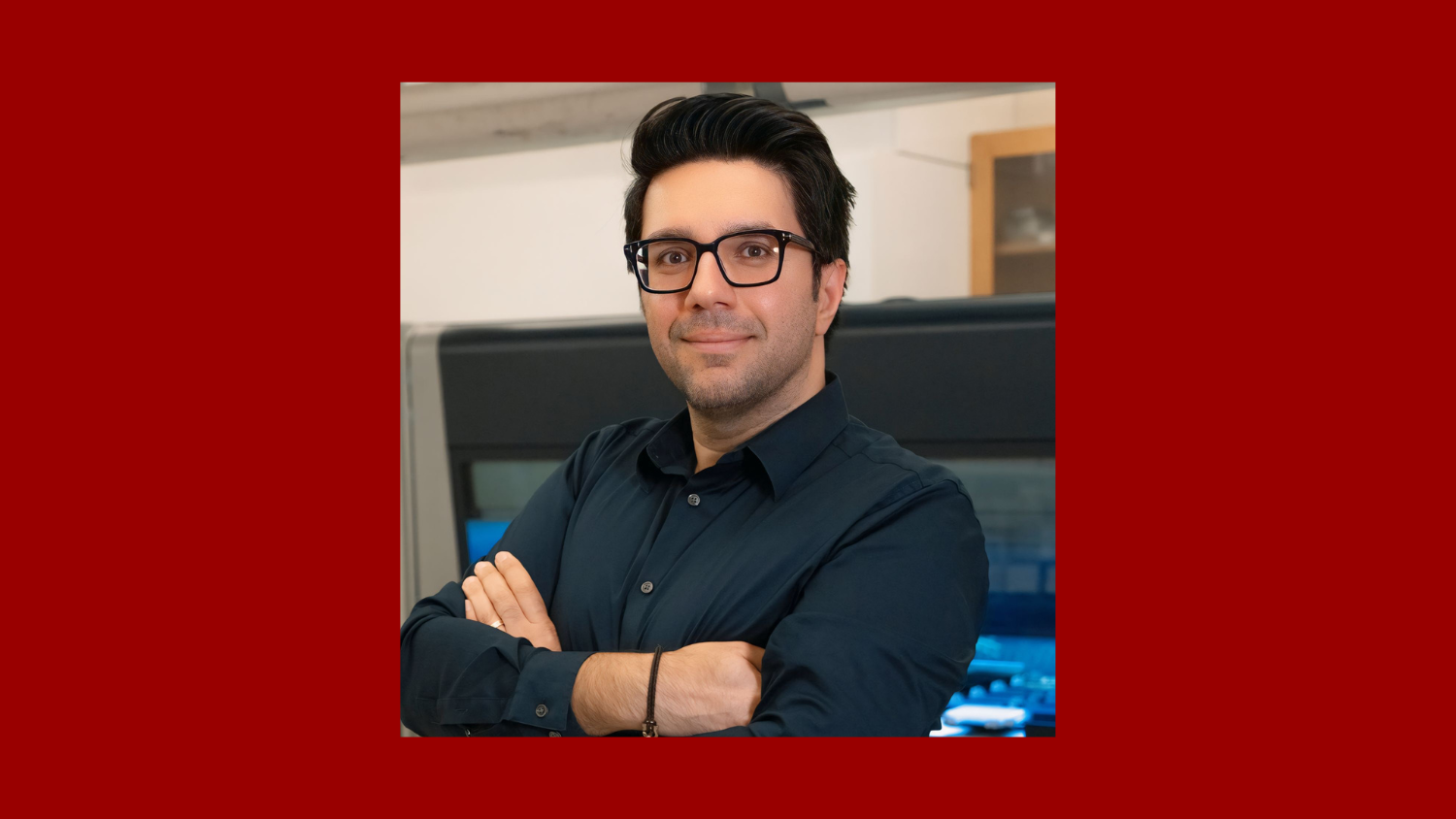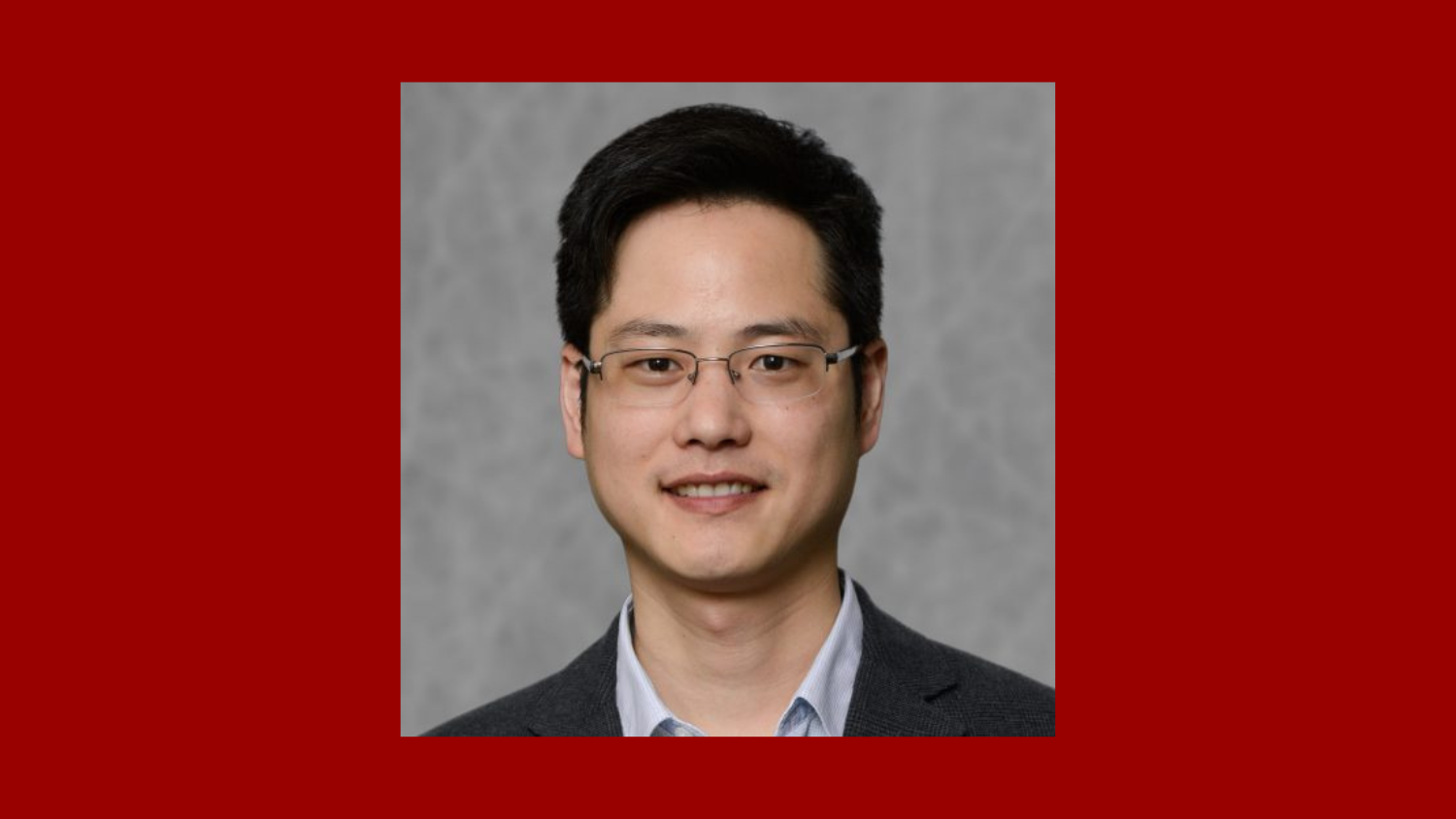
An interdisciplinary research team led by Associate Professor Qingshan Wei has been recognized by the Royal Society of Chemistry journal Sensors & Diagnostics for developing a game-changing tool in the field of point-of-care diagnostics.
Wei served as the principal investigator for the multi-institutional project. Its corresponding paper, “A digital nonenzymatic nucleic acid amplification assay for ultrasensitive detection of cell-free microRNA in human serum”, has won the Outstanding Early Career Research Award 2025.
The team introduces a faster, more cost-effective alternative to standard laboratory testing methods by developing a method called sequential nonenzymatic amplification (SENA). Unlike traditional polymerase chain reaction (PCR) tests, which require precise temperature cycling and expensive enzymes, SENA relies on two layers of room-temperature, DNA-only chemical circuits to amplify genetic material.
By shrinking this chemistry down onto a specialized digital chip, Wei’s group achieved remarkable results in sensitivity, portability and clinical accuracy.
“This study is a result of wonderful interdisciplinary collaborations between different institutes and fields,” Wei said. “The contributors include engineers and chemists from NC State, and medical researchers and clinicians from Duke. This award is the best reward for collaborative research at the interface of engineering and biomedicine.”
The award-winning team features several current and former NC State researchers:
- Tao Yu, a former NC State postdoctoral researcher who earned his Ph.D. from Nanjing University.
- Aditi Dey Poonam, a current Ph.D. student in Wei’s research group at NC State specializing in lab-on-a-chip technologies.
- Shengwei Zhang, who completed his Ph.D. in chemical and biomolecular engineering at NC State.
- Zheng Li, who also completed his postdoctoral training in Wei’s laboratory and now is a full professor at Jinan University.
- Amy Halbing and William Marx, who both contributed to the breakthrough as undergraduate researchers in Wei’s laboratory.
The research was powered by medical expertise from Duke University, including senior research associate Yingmiao Liu and Andrew B. Nixon, a professor of medicine and director of the Phase I Biomarker Laboratory at Duke.
By bridging the gap between advanced engineering and clinical medicine, Wei and his team are paving the way for next-generation enzyme-free diagnostics that can be deployed outside of traditional hospitals—ultimately aiming to put accurate, affordable cancer screening tools directly into patients’ hands.
- Categories: