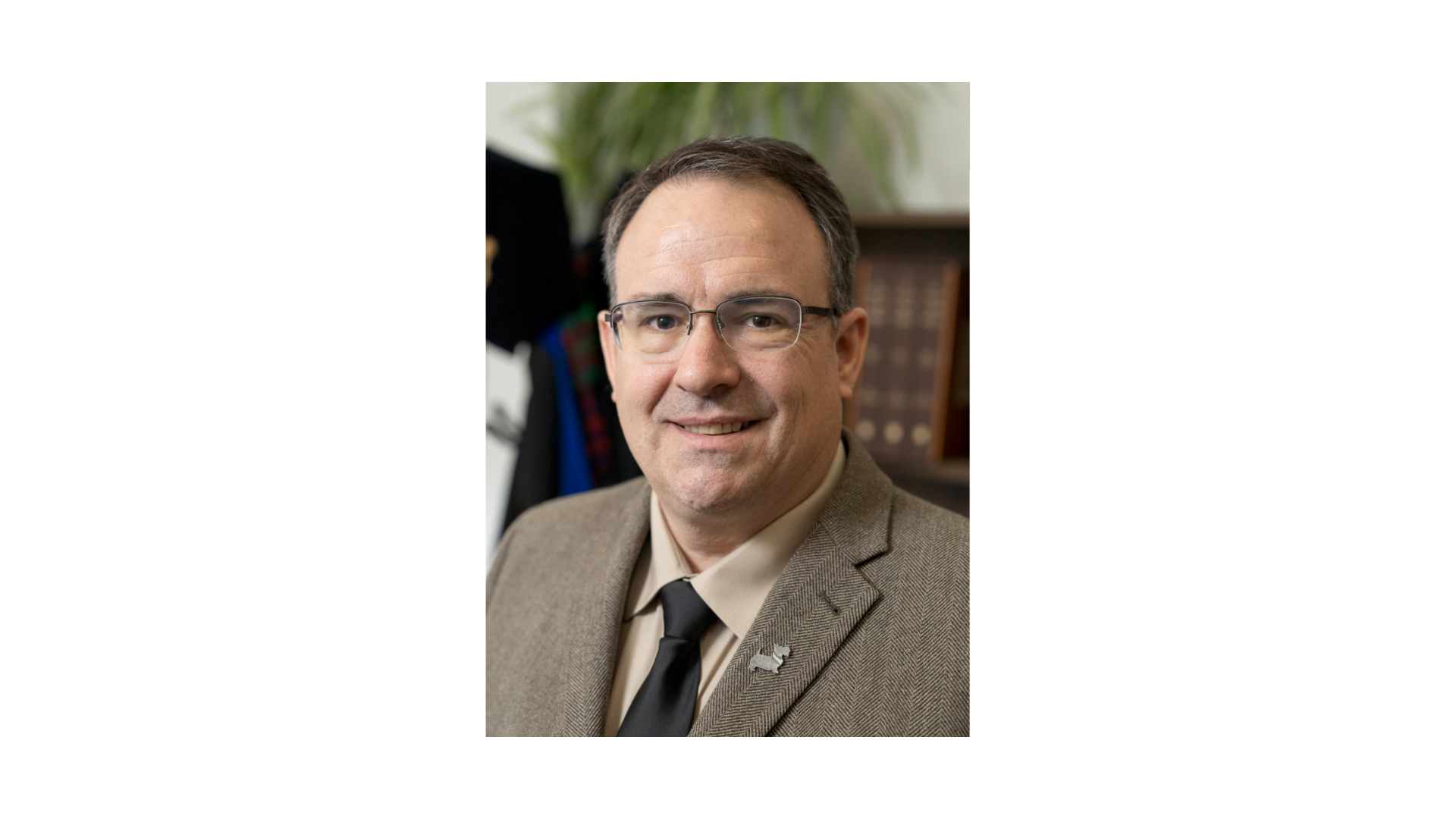
• CBE Safety Seminar: Building a Robust Culture of Safety

    Engineering Building I - Room 1011 911 Partners Way, Raleigh, NC, United States

    Building a robust culture of safety requires commitment and constant attention. The next steps to be taken to improve the culture of safety in the Department of Chemical and Biomolecular Engineering will be discussed.
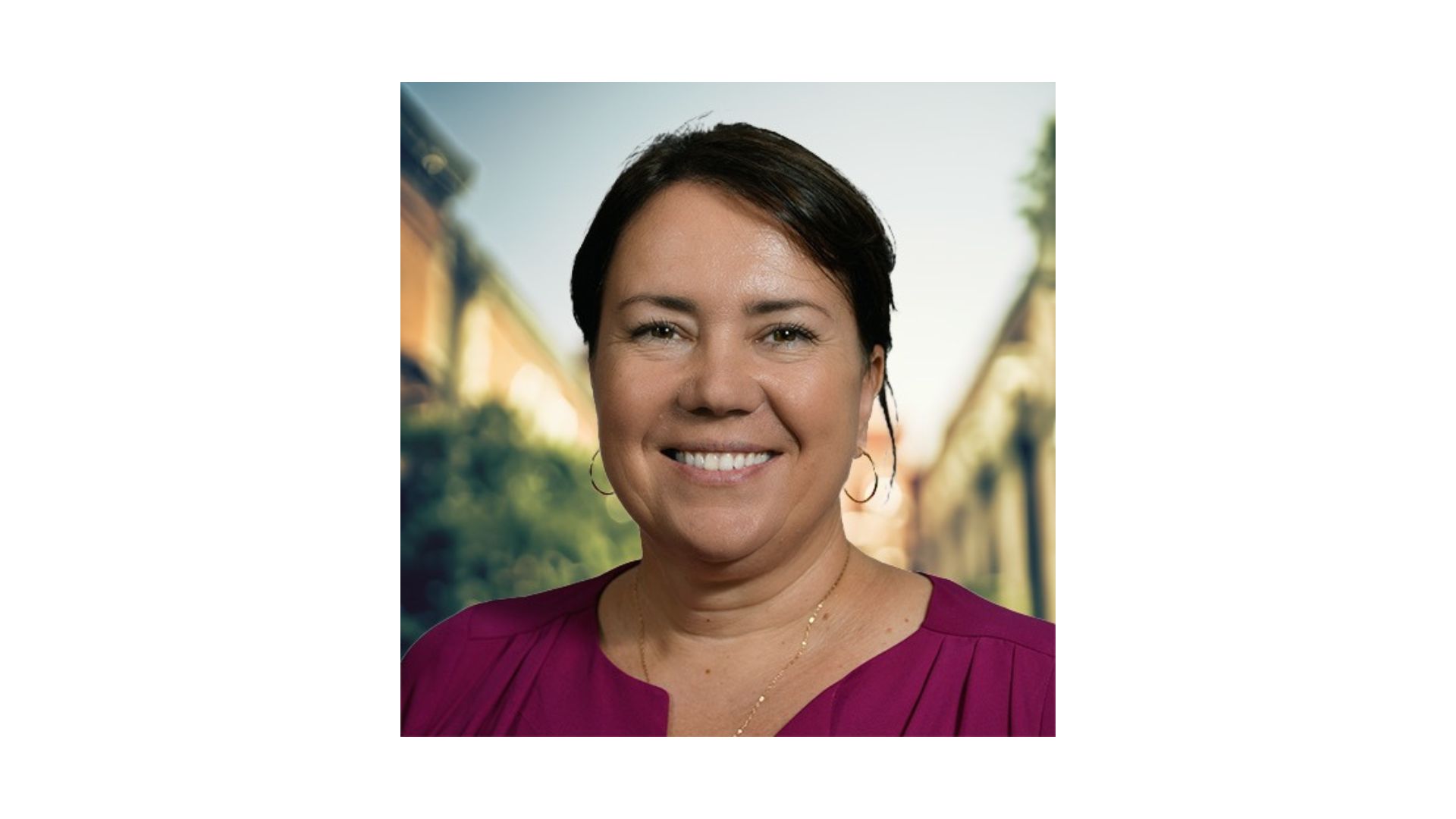
  • From Fragmented Data to Predictive Design: Building an In Silico Materials Laboratory (Yaroslava Yingling, NC State)

    Engineering Building I - Room 1011 911 Partners Way, Raleigh, NC, United States

    Abstract: As AI transforms materials research, a central challenge for next-generation, AI-driven materials design is the effective integration of experimental observations with computational simulations. Experimental datasets are often sparse, heterogeneous, and limited, constraining discovery, while simulations can expand the accessible data space and provide mechanistic insight across length and time scales. Bridging these domains requires…

  • CBE Professional Development: Publishing Your Paper – Things a Graduate Student Should Know

    Engineering Building I – Room 1005 911 Partners Way, Raleigh, NC, United States

    Abstract: Publishing research is an important goal for students pursuing graduate degrees. Although publishers often provide useful resources, there are often many aspects about publishing that remain unclear to inexperienced researchers. These uncertainties can create unnecessary anxiety. Here, we seek to lower anxiety by answering common questions that new students have asked us about publishing.…

  • Predictive Multiscale Modeling of Polymer Formulations (Glenn Fredrickson, UCSB)

    Engineering Building I - Room 1011 911 Partners Way, Raleigh, NC, United States

    Abstract: A method is described for de novo prediction of the self-assembly and phase behavior of polymer melt or solution formulations without any experimental input. The technique employs all-atom molecular dynamics simulations of small systems containing oligomeric fragments of the polymers to obtain equilibrated reference data. Relative entropy methods developed by the group of M.…

  • Kinetic Modeling and Machine Learning for Design of Intrinsically Recyclable Polymers (Linda Broadbelt, Northwestern)

    Engineering Building I - Room 1011 911 Partners Way, Raleigh, NC, United States

    Abstract: Hundreds of millions of tonnes of plastic are produced each year, only a fraction of which is currently recycled. This enormous quantity of polymer waste represents both a significant environmental challenge as well as an opportunity to recover valuable chemicals or materials. Many of the polymers produced today have been optimized for properties relevant…

  • Gradient-Driven Transport Phenomena Across Scales: From Fish Skin Patterns to Ion Transport in Electrochemical Capacitors (Ankur Gupta, Univ. of Colorado-Boulder)

    Engineering Building I - Room 1011 911 Partners Way, Raleigh, NC, United States

    Abstract: Part 1: This seminar will discuss our research group's work on diffusiophoresis, focusing on its potential role in biological pattern formation, a phenomenon we have termed diffusiophoresis-enhanced Turing patterns (DETPs). Specifically, we will show how DETPs can accurately reproduce skin patterns in vertebrates with striking resemblance. This work opens a new avenue of research,…

  • Molecular Dynamics Investigations of Thermosetting Polymers (Cameron Abrams, Drexel)

    Engineering Building I - Room 1011 911 Partners Way, Raleigh, NC, United States

    Abstract: Thermosetting polymers comprise a wide variety of monomer constituents and polymerization chemistries that in principle provide the degrees of freedom necessary to tailor these materials to a broad range of applications, from structural composites, coatings and barrier materials, ballistic shielding, and even solid rocket fuels. In this talk, I will trace my group's history…

  • How to Build a Quantum Computer: A Chemical Engineer’s Perspective (Sarah Atanasov, Intel Corp)

    Engineering Building I - Room 1011 911 Partners Way, Raleigh, NC, United States

    Abstract: A large-scale quantum computer could change the world – performing certain calculations in minutes that would take the largest supercomputer millions of years.   Recent headlines1 report that useful quantum computers could be realized in the next decade.  In the race to deliver a commercially relevant system, Intel leverages their most advanced process technology…

  • Microfluidic Epigenomic Technologies for Profiling Diseases: from Neuropsychiatric Disorders to Cancer (Chang Lu, Virginia Tech)

    Engineering Building I - Room 1010 911 Partners Way, Raleigh, NC, United States

    Abstract: Next generation sequencing ushered in the new “omics” era of unbiased genome-wide analyses for fresh insights into diseases and therapies. Epigenetics dictates switching on and off genes, forming another layer of regulation on top of gene sequence. Epigenomic dynamics are strongly affected by both genetic and environmental factors, thus have long been speculated to…

  • Creating a New Circular Carbon Economy via Carbon Capture, Utilization and Storage (Alissa Park, UCLA)

    Engineering Building I – Room 1005 911 Partners Way, Raleigh, NC, United States

    Abstract: To meet the ever-increasing global energy demands while addressing climate change, the development of carbon capture, utilization and storage (CCUS) technologies is one of the critical needs. In particular, there have been significant efforts to develop innovative CO2 capture materials and CO2 conversion technologies to create a new circular carbon economy based on renewable…

  • Systems, Surrogates, Solutions: Optimization and Machine Learning for Decision-Making at Scale (Carl Laird, Carnegie Mellon)

    Engineering Building I - Room 1011 911 Partners Way, Raleigh, NC, United States

    Abstract: Emerging global challenges are pushing the limits of today's scientific computing tools. To overcome these barriers, our group develops open-source solutions for large-scale optimization problems. At the intersection of data science and mathematical programming, new capabilities support optimization-based decision-making with embedded machine-learning and data-driven models. Leveraging high-level languages like Python, we are democratizing these…

  • NC State Chemical Engineers Can Do ANYTHING (Russ O’Dell, NC State)

    Engineering Building I – Room 1005 911 Partners Way, Raleigh, NC, United States

    Abstract: CBE’s Distinguished Alumni Awards program was established in 2016 to honor alumni who have demonstrated exceptional professional, entrepreneurial and/or service achievements in their careers.  It has been amazing to see what our alumni have accomplished in a wide variety of careers, from chemicals, pharmaceuticals and energy to computers and construction, and in fields where…