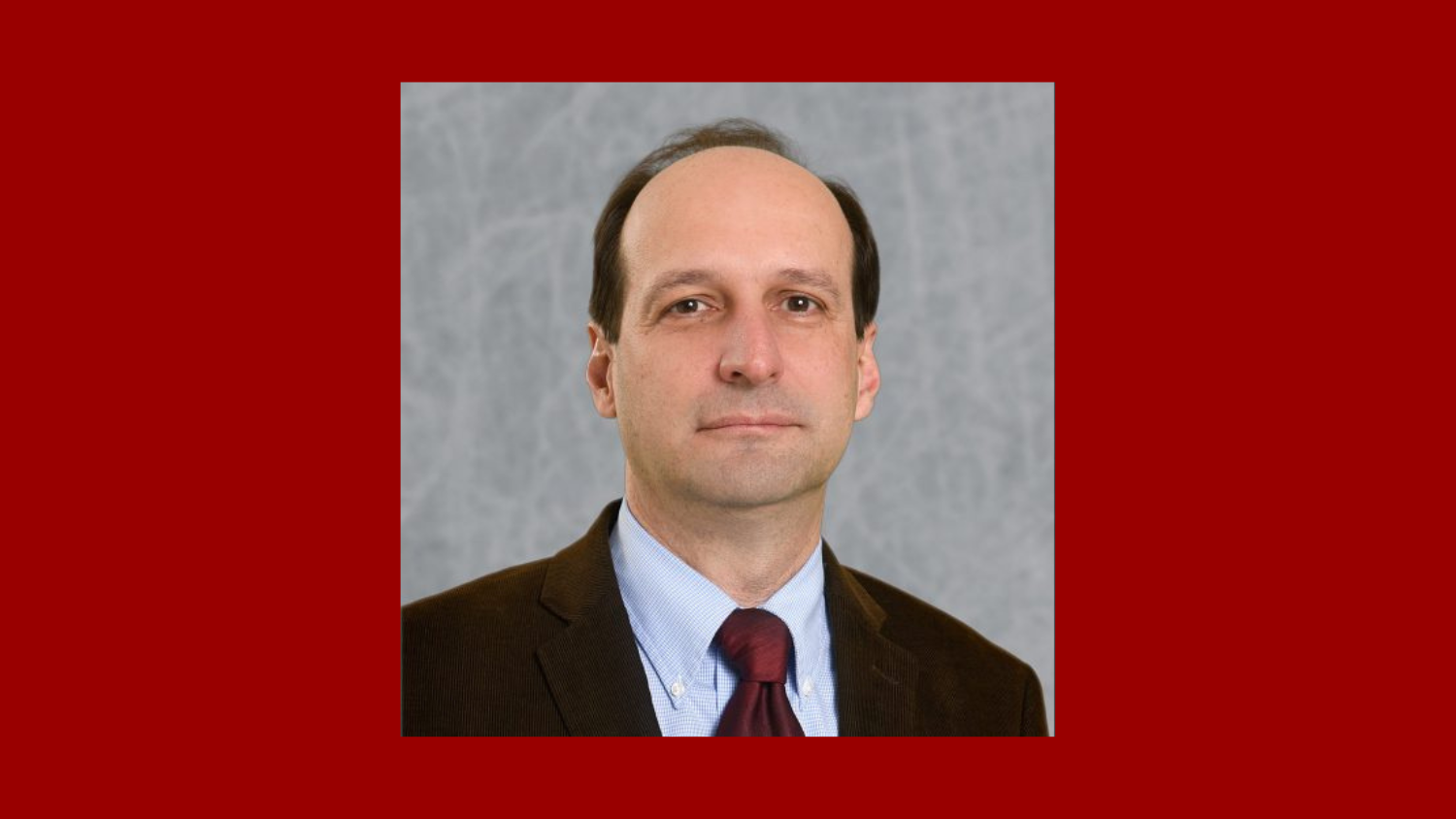
Assistant teaching professor Aaron Frye has been selected to the 2026 pilot cohort of NC State’s Climate and Sustainability Academy (CaSA) Faculty Fellows Program.
CaSA unites existing and emerging interdisciplinary research, teaching, engagement and operations efforts to promote sustainable and resilient solutions to climate and other global challenges, connecting people and places to imagine and catalyze transformative change.
The cohort’s program theme is “Bringing Campus into the Classroom”. Frye was selected through a competitive process based on the strength of his proposal to utilize campus-generated data and place-based learning to enrich his course content.
“I deeply agree with the ‘campus as a classroom’ philosophy being adopted by the PACKlab initiative,” Frye said. “NC State, by population, is North Carolina’s 23rd largest city and we experience many problems as a campus that are relevant to towns and cities in North Carolina.”
NC State PACKlab (Place-based Applied Collaborative Knowledge Lab) is a framework for campus-based exploration of solutions that can drive meaningful change for people, places and the planet. The program is facilitated through the Climate and Sustainability Academy.
NC State owns and operates multiple facilities that generate steam, power and chilled water to support building heating and cooling as well as laboratory needs. Frye’s proposal, Advanced Local Power and Heating Analysis (ALPHA), will have students partner with campus facilities to evaluate the on-campus steam and power generation infrastructure for energy efficiency opportunities using real utility plant data.
Students will apply chemical engineering classroom principles to analyze process data and calculate key performance indicators to identify where energy savings are possible. A student design team in CHE 450/451 will be mentored by the Central Plant Utility Engineer as they compare current utility operations to the equipment’s original design basis to identify energy-saving maintenance options and evaluate new equipment designs.
The project’s efficiency improvements would potentially lower fuel consumption, reduce the campus’s CO2 footprint and decrease operating costs.
Frye chose to submit his proposal to CaSA because he “cares about the impact that campus facilities make on the environment and wants our students to be able to contribute to campus sustainability using the technical background from their field of study.”
- Categories: